What is a Customer Relationship Management (CRM) system?
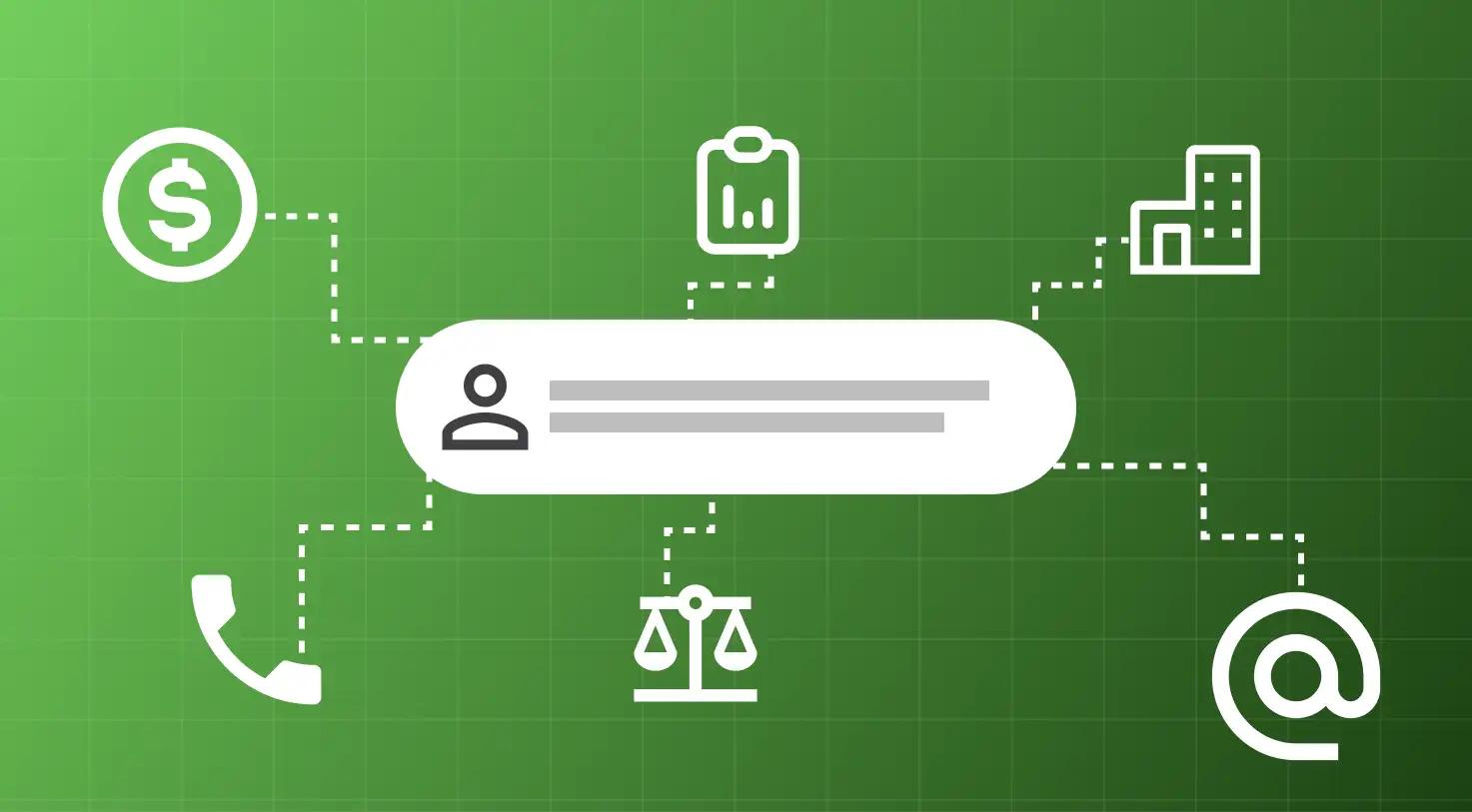
What if you could get the inside scoop on your customers' thought patterns, interests, and dislikes? What if you could analyze all their online interactions with your brand? And imagine if you could record all that data over weeks, months, and years to better inform your digital marketing strategy?
The good news is, you can!
A customer relationship management (CRM) system will help you track your customer data, your company data, and the interaction between the two.
While we don’t usually implement CRM software at USDP, we highly recommend them and can help you better utilize them.
What does a CRM system do?
A customer relationship management (CRM) system is the key to gathering and organizing your audience’s information and data across all touch points of your business. They are valuable tools to track a customer's lifetime behavior with your company, from the moment they become a lead through years of repeat business. Some can even be configured to track important attribution data, such as initial visits to your website and any emails a customer opens. The process of Customer Relationship Management builds an overarching picture of individual customers’ journeys as well as the audience as a whole, so a company can see what’s working and what isn’t.
CRMs are incredibly valuable for sustaining a business as they give a bird’s eye view of activity across multiple departments. Over time, they synthesize enough data to build a strategy. CRMs are a core component of digital marketing for any business and if you don’t have a CRM platform, you should highly consider investing in one.
What are the core components of a CRM?
There are many CRM systems on the market with unique features and different industry compatibilities. Broadly speaking, however, most CRM systems do the same thing.
Contact Management
CRM systems help you store and organize all your contacts’ names, emails, phone numbers, addresses, conversation history, and more. You can centralize information about how they’re interacting with your brand, all in one place. CRM platforms keep track of notes, calls, emails, documents, invoices, etc.
Sales
On the sales side of a CRM, you can track potential leads, keep tabs on customers that you’re already in contact with, and file away deals that have gone cold. On a CRM system you can create a profile for each lead and include all pertinent information such as purchasing history, ongoing negotiations, and a timeline of your interactions. In this way you avoid letting leads fall through the cracks because of disorganization.
CRM systems also allow sales teams to automate processes by creating sales funnels and deal timelines. Instead of shooting in the dark, sales can become personalized and methodical.
Marketing
A CRM platform is a marketing department’s secret weapon. It can help identify target audiences, build campaigns, and track the success of marketing efforts. Templates for emails, newsletters, and individual outreach are usually available.
Marketers can analyze the data reports that a CRM system provides and use that information to inform their decisions. The interconnectedness of data on a CRM platform can drive critical adjustments and pivots that make or break a successful business over the years.
Customer Service
Using the customer service side of a CRM platform, a business can welcome new customers, manage support requests, track service problems, and provide time sensitive responses. Analyzing customer information allows a business to offer personalized support, increase satisfaction, and build a loyal base.
Data Analysis and Reporting
With a CRM system in place, companies can generate instant insights on sales, productivity, future revenue and more. CRM is a major key to business growth via customer retention, customer communication, and true understanding of trends. Data and analytics shed light on current problems and opportunities, and give a business the chance to be proactive.
What are some CRM options?
There are many different CRMs on the market, with different tools and varied benefits depending on your industry. Regardless of which CRM system you choose, your goal should be to use it well and keep it up to date.
Here are a few CRM platforms that our clients use, in no particular order. We’ll let them speak for themselves:
Pipedrive
“Pipedrive lets you track your sales pipeline, optimize leads, manage deals with AI and automate your entire sales process so you can focus on selling.”
SalesForce
“Stop juggling spreadsheets and disconnected apps. Bring customer activity, pipeline, marketing campaigns, and service cases into one place. Start getting more done day-to-day and get full visibility into your business.”
Insightly
“Choose the flexible CRM for fast-growing companies. Track all pipeline data in one place. Auto-score leads and send follow-ups. Generate marketing campaigns. Boost productivity and turn more leads into sales.”
Creatio
“New era CRM to manage all customer and operational workflows with no-code and AI at its core.”
Hubspot
“Unite marketing, sales, and customer service on one AI-powered
customer platform that delivers results fast.”
Klayvio
“Klaviyo unifies your data, channels, and agents in one AI-first platform—text, WhatsApp, email marketing, and more—driving growth with every interaction.”
Zoho
“Convert more, build lasting relationships, and grow your business resiliently, with the magic of contextual AI and thoughtful UI.”
Microsoft Dynamics
“Connect teams, processes, and data across your entire organization to create exceptional customer experiences and operational agility.”
If you need help getting more out of your CRM system, reach out, and we can help you turn it into the secret sauce behind your sales marketing strategy.